
Jan
Imagine getting in your car for a cross-country road trip, but there’s one problem. Your dashboard doesn’t have a fuel gauge. You have no idea how much gas is in the tank.
What would you do?
Most of us would probably stop for gas far more often than we need to. We’d top off the tank constantly, just to be safe. Running out of fuel on a highway in the middle of nowhere is inconvenient at best and potentially dangerous at worst. When the consequence of failure feels high, we naturally overcompensate.
Now think about how we water our gardens.
If you don’t have a soil moisture gauge. We can’t easily see how much moisture is already stored underground around plant roots. And because running out of water can mean stressed plants, poor growth, or even plant death, many gardeners respond the same way we would on that imaginary road trip — we water more often than necessary, just to be safe.
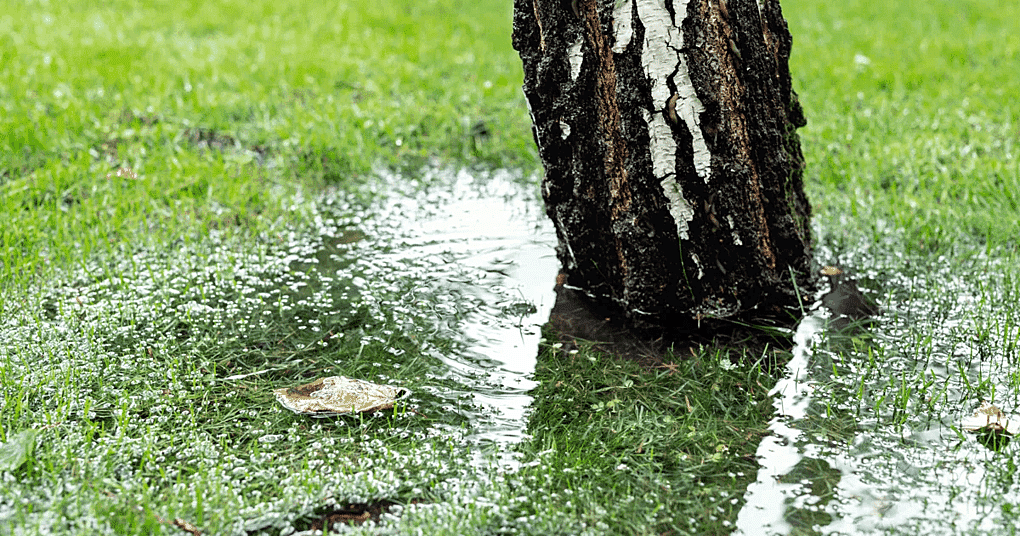
The result? Wasted water, shallow root systems, higher utility bills, and sometimes unhealthy plants.
Overwatering isn’t usually caused by carelessness. It’s caused by uncertainty.
Why We Tend to Overwater
Plants depend on water the way cars depend on fuel. But unlike a fuel tank, soil doesn’t come with a clear indicator telling us how full it is. From the surface, dry soil can look identical whether there’s plenty of moisture six inches down or almost none at all.
So we guess. And when in doubt, we add more water.
In regions like Southern California — where soils are often clay-heavy and slow draining — this can be especially misleading. The surface may dry quickly in the sun, while deeper layers remain saturated for days. Without knowing what’s happening below ground, it’s easy to irrigate again when the soil simply doesn’t need it yet.
Ironically, plants don’t thrive in constantly saturated soil. Roots need oxygen as much as they need moisture. Overwatering can lead to root disease, nutrient loss, fungus growth, and weak root development. In other words, too much “fuel” can be just as problematic as too little.
The good news is that you don’t need expensive tools or complex systems to start watering more intelligently.
You simply need better ways to “check the tank.”
Simple Ways to Tell If Your Soil Already Has Enough Water
1. The Screwdriver Test
This is one of the easiest and most reliable methods.
Take a long screwdriver, metal rod, or soil probe and push it into the soil near your plants. If it slides in easily 6–8 inches with little resistance, the soil still has sufficient moisture and does not need watering. If it’s difficult to push in or stops quickly, the soil is drying and may need water.
Moist soil offers less resistance than dry soil. Let the soil tell you when it’s time to water instead of the calendar.
2. The Hand Squeeze Test
Dig down about 4–6 inches and grab a handful of soil. Squeeze it in your hand.
- If water drips out, the soil is too wet.
- If it holds together like a damp sponge, moisture is ideal.
- If it crumbles immediately and feels dusty, it’s too dry.
This simple tactile test quickly builds intuition about your soil moisture.
3. Visual Inspection of Your Irrigation System
Once a month, turn your irrigation system on and actually watch it run.
Look for broken or clogged sprinkler heads, misting caused by high pressure, overspray onto sidewalks, leaks, or dry spots that indicate poor coverage. A system that isn’t operating correctly can waste water even if your scheduling is perfect.
If you haven’t watched your system run recently, it’s probably worth doing.
4. Check Your Water Pressure
High pressure causes fine misting and uneven coverage, which leads to evaporation and runoff rather than water reaching plant roots. Most spray systems perform best around 30 PSI, while drip systems typically operate closer to 20–25 PSI.
If your sprinklers look foggy, noisy, or create visible mist clouds, pressure is likely too high and should be regulated.
5. Pay Attention to Plant Signals — But Verify
Yellowing leaves, slow growth, fungus on the soil surface, or plants wilting while the soil is still wet are common signs of overwatering. However, wilting can also indicate underwatering, so always verify soil moisture before making adjustments.
Plants talk — but soil tells the truth.
From Guesswork to Intelligence
All of these practices help reduce guesswork and bring a little more intelligence into how we water. But just as modern cars now have sophisticated fuel sensors and navigation systems that optimize every mile of travel, irrigation technology has evolved dramatically as well.
Smart irrigation controllers use real-time weather data, evapotranspiration models, and sometimes soil moisture inputs to automatically adjust watering schedules based on actual plant needs. When it rains, watering pauses. When temperatures rise, schedules adapt. Seasonal adjustments happen automatically instead of relying on manual reprogramming.
Instead of guessing how full the “tank” is, technology helps estimate it accurately every day.
For homeowners, this means healthier plants, less wasted water, lower water bills, and far fewer headaches. It also means contributing to regional water resilience without sacrificing landscape quality.
The Takeaway
If you were driving across the country without a fuel gauge, you’d probably stop for gas far more often than you needed to — not because you’re careless, but because the risk of running out feels too high. The same psychology drives overwatering in our gardens. Without knowing how much moisture is already in the soil, we water “just in case.”
By learning a few simple ways to check soil moisture and system performance — and by embracing smart irrigation technology — we can replace fear-based watering with informed decision-making.
Water matters. And when we manage it wisely, everyone benefits — our plants, our communities, and the future of our water supply.