
Category Archives: Blog

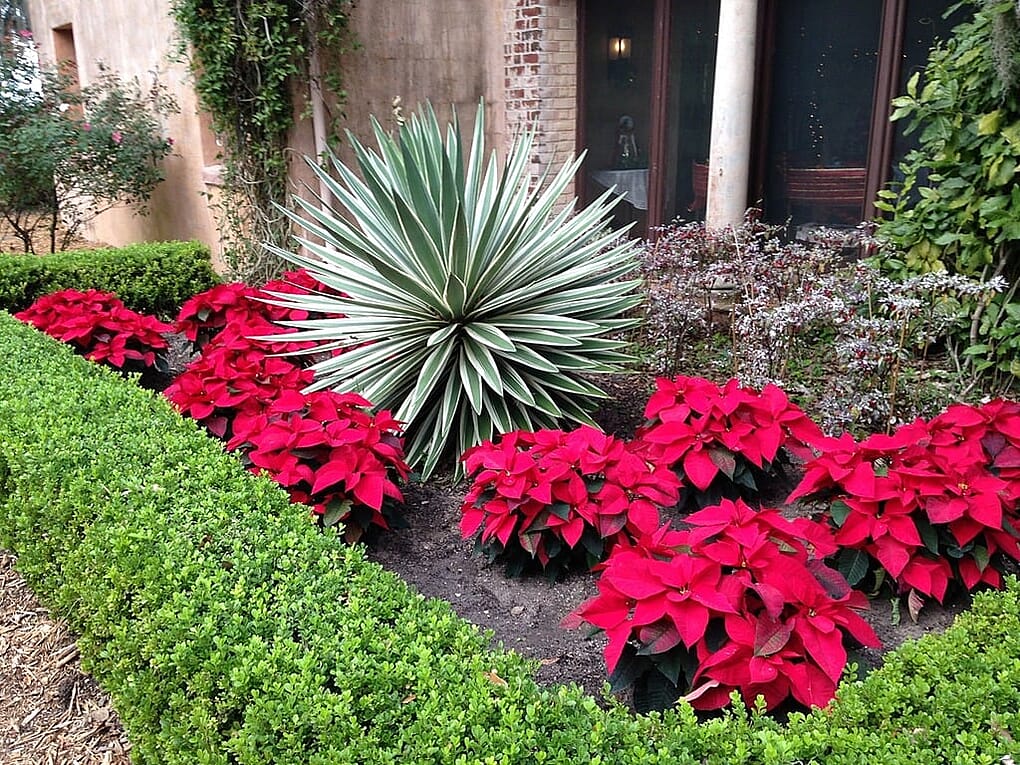
December Gardening: Maintenance, Planting and Holiday Décor

As the festive season approaches and the winter chill sets in, December presents a unique set of tasks and opportunities for garden enthusiasts. While the garden may seem dormant, this month is a crucial period for maintenance, planting certain species, and embracing the holiday spirit with garden decorations. Here’s a guide to making the most […]

Why No-Till November is Changing the Face of Agriculture

No-till farming, a method of growing crops without disturbing the soil through plowing or tilling, has existed for over 10,000 years. However, it has gained significant momentum recently as modern farmers increasingly recognize its environmental and economic benefits. No-till farming aligns perfectly with sustainable agricultural practices by leaving crop residue on the field and maintaining […]

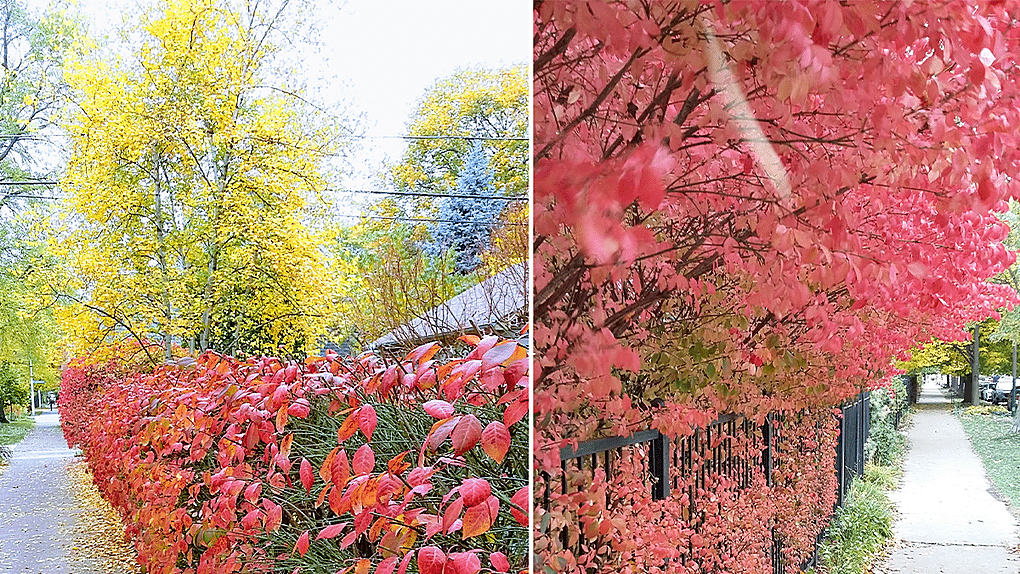
Tackling the Surprising Spike in Fall Landscape Water Waste

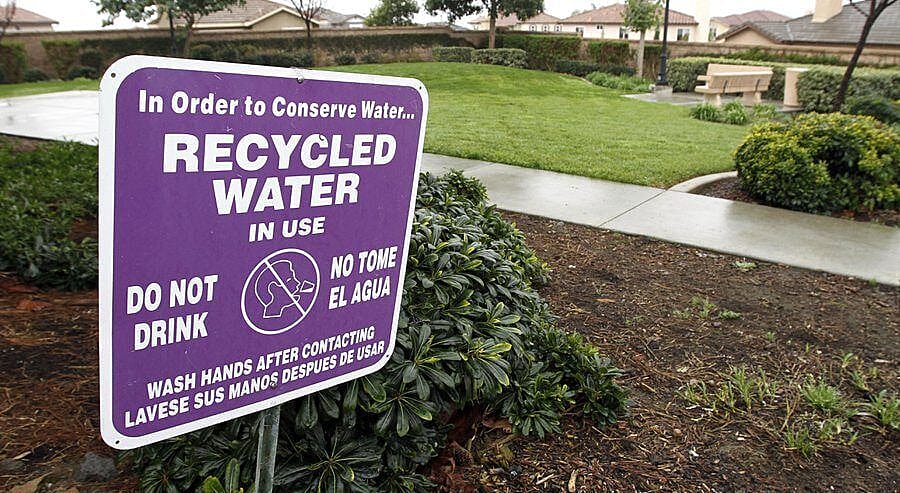
As the colors of summer foliage transform into the rich, warm hues of autumn, our landscapes undergo a beautiful metamorphosis. However, with the arrival of fall comes a surprising and often unnoticed phenomenon – a significant spike in landscape water waste. Many landscapers and homeowners may be unaware of this seasonal water consumption shift and […]

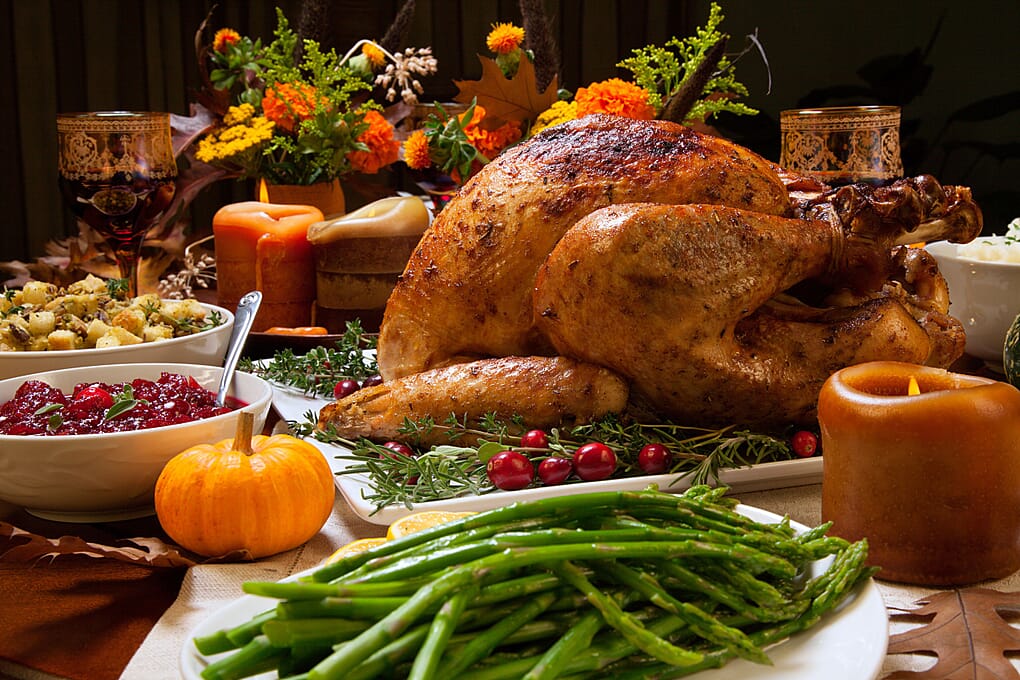
Thanksgiving Turkey Guide 2024: Savings, Selection, and Flavor Insights

With a few weeks until Thanksgiving, it’s time to start planning your turkey purchase. If you’re buying fresh from a local retailer, placing your order now ensures you’ll have the perfect bird for your feast. Turkey’s availability should be plentiful this year, making the selection process more accessible than in recent years. The American Farm […]

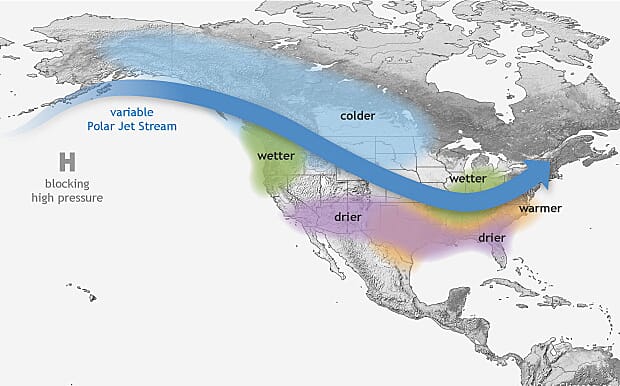
What to Expect from El Niño and La Niña in 2025: A Look into the Future of Weather Patterns

Few phenomena are as influential and widely recognized in climate and meteorology as El Niño and La Niña. These two climate patterns, collectively known as the El Niño-Southern Oscillation (ENSO), profoundly impact weather conditions worldwide. As we move into 2025, understanding how these climate events will shape our environment is more critical than ever. While […]

Are Insects the Key to Solving Global Food Shortages?

Have you ever tried eating an insect? You might be surprised to learn that insects outnumber humans by a staggering margin, with over 10 million species of insects worldwide. In fact, insects make up 80% of all animal species on the planet, and there’s a growing movement advocating for the consumption of insects as a […]

Designing a Water-Smart Garden: Simple Steps for Big Savings

Designing a water-smart garden doesn’t have to be complicated or require a total yard makeover. With a few key principles, you can create a beautiful, water-efficient landscape that thrives in any climate while reducing water use and maintenance. Water-smart landscaping, often called Xeriscaping, is about something other than turning your yard into a barren space […]

7 Causes of Water Scarcity in the United States

People are often surprised when they learn we have water scarcity issues in the United States. For example, Flint, Michigan, experienced water issues for over six years. In 2014, a change in water supply from Lake Huron and the Detroit River to the Flint River caused severe problems for residents of Flint, Michigan. High levels […]

Frost Date vs. Freeze Date: Key Differences Every Gardener Should Know

As we move closer to Thanksgiving, it’s hard to believe that the first freeze date is around the corner for many regions. While it may still feel hot and dry right now, cooler weather is on its way, and gardeners need to be prepared for the changing conditions. Fall and winter gardening brings a new […]

Five Ways You Can Help Reduce Water Pollution

As the rainy season approaches Southern California, I am reminded the Surfrider Foundation strongly recommended avoiding swimming or surfing after rainfall. Urban runoff and leaking sewer pipes can drastically increase water pollution, posing significant health risks. Surfers, for instance, should ideally wait 72 hours before returning to the water. During this period, the ocean may […]

This website uses cookies to ensure you get the best experience.